
Toppings Supplier in UK: Choosing the Right Partner for Your Food Business
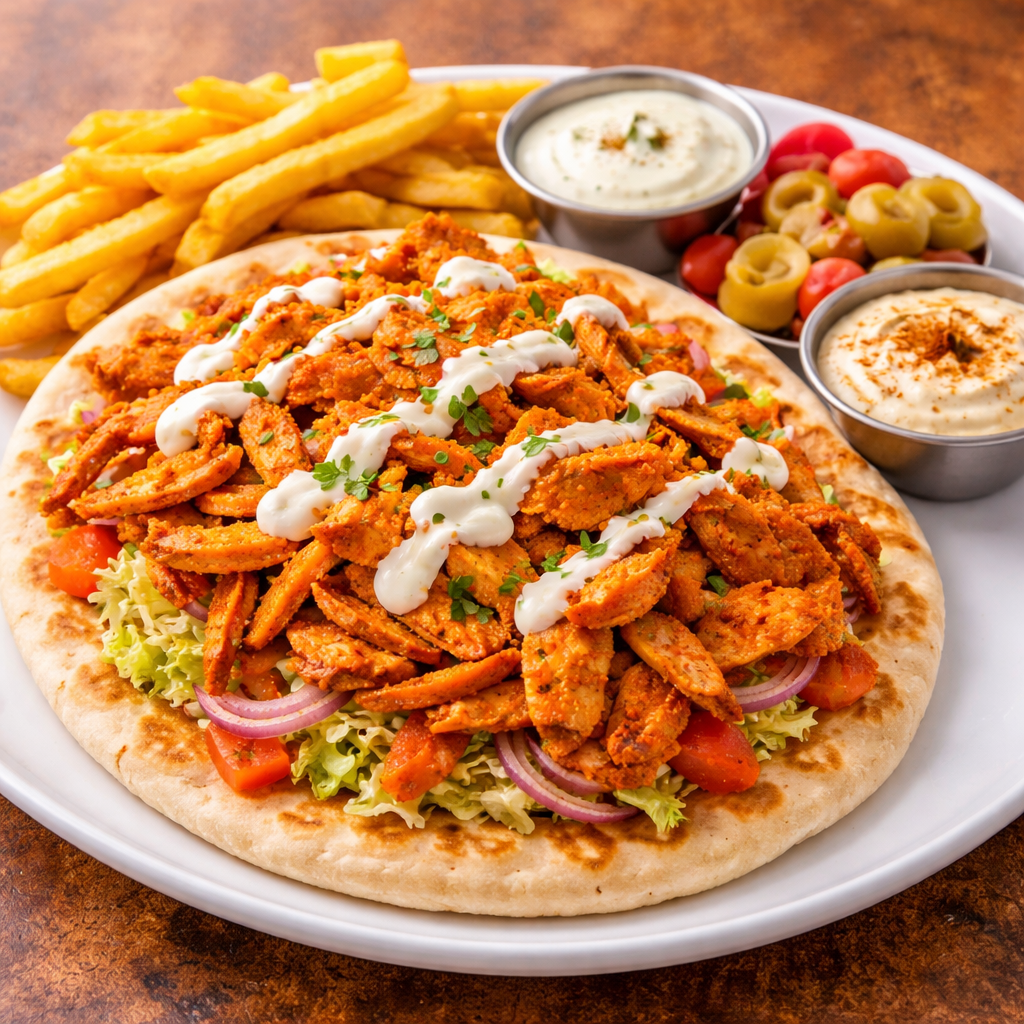
Finding a reliable Toppings Supplier in UK is an important consideration for restaurants, cafés, pizzerias, burger shops, sandwich bars, takeaways, and catering companies. Toppings play a major role in the taste, appearance, and variety of food products. Whether a business prepares pizzas, burgers, loaded fries, sandwiches, or speciality meals, access to suitable ingredients can help maintain menu consistency and deliver a better customer experience.
Food businesses need suppliers who understand commercial requirements, provide clear product information, and communicate effectively about availability and ordering. Choosing the right supplier can also help businesses organise stock, manage food costs, and reduce unnecessary interruptions to daily operations.
Golden Delight Foods is a business name that can be explored during food supplier research. Businesses interested in purchasing toppings should confirm the company's current product range, wholesale options, and delivery coverage directly before making a purchasing decision. Understanding the supplier's actual capabilities helps ensure that the selected arrangement matches the business's needs.
Understanding the Role of a Toppings Supplier
A toppings supplier provides ingredients that businesses use to finish, customise, or enhance their food products. Depending on the supplier's range, toppings may include cheese, vegetables, meat products, sauces, garnishes, and other ingredients used in commercial food preparation.
Different businesses have different purchasing requirements. A pizzeria may focus on ingredients suitable for pizza preparation, while a burger restaurant may need cheese, onions, pickles, sauces, and other burger toppings. A catering company might require a wider variety of ingredients to accommodate different menus and customer preferences.
Some suppliers focus on specific food categories, whereas others offer a broader range of catering products. For this reason, buyers should review available products carefully instead of assuming that every supplier stocks every type of topping.
When researching Golden Delight Foods, businesses should ask which toppings are currently available, whether commercial quantities can be ordered, and which delivery arrangements apply to their location.
Why Toppings Matter for Restaurants and Takeaways
Toppings help restaurants create distinctive menu items and offer customers more choice. A simple pizza can become a premium menu option through a carefully selected combination of cheese, vegetables, and suitable meat ingredients. Similarly, burgers and sandwiches can be customised with different toppings to appeal to a wider range of customers.
Consistency is especially important for established food businesses. Customers generally expect their favourite meals to have a familiar flavour, appearance, and portion size whenever they order. Using clearly specified ingredients and maintaining consistent preparation procedures can help kitchens deliver that experience.
Toppings also allow businesses to respond to changing food preferences. Restaurants may introduce vegetarian options, seasonal specials, or customised meals depending on customer demand. A supplier with suitable product choices can make menu planning easier, provided those products are confirmed to be available.
However, a larger product range does not automatically mean a supplier is the best choice. Businesses should prioritise products that suit their menus, meet their quality requirements, and can be obtained under practical ordering conditions.
Choosing the Right Toppings Supplier in UK
Selecting a suitable Toppings Supplier in UK requires careful consideration of product quality, availability, delivery arrangements, pricing, and communication. These factors affect both kitchen performance and overall purchasing costs.
Product specifications should be clear. Buyers may need information about ingredients, packaging sizes, storage conditions, shelf life, allergens, and preparation requirements. This information is particularly important when products are used in meals served to customers with specific dietary needs.
Availability is another important factor. A restaurant that depends on a particular cheese or meat topping may experience operational difficulties if that ingredient is regularly unavailable. Before establishing a supply relationship, ask how orders are handled and how the supplier communicates changes in stock availability.
Delivery coverage should also be confirmed. The fact that a business operates in the UK does not necessarily mean it delivers to every town or postcode. Ask about delivery days, order cut-off times, minimum order values, delivery fees, and any special arrangements for chilled or frozen products.
Golden Delight Foods can be included in this evaluation process, but its current toppings range and UK delivery capabilities should be verified directly.
Toppings for Pizzerias and Italian-Style Restaurants
Pizzerias rely on toppings to create variety across their menus. Cheese, vegetables, herbs, sauces, and suitable meat ingredients can be combined in different ways to produce traditional favourites and original recipes.
For these businesses, ingredient consistency can influence both food quality and preparation efficiency. Products should have specifications appropriate for the restaurant's cooking methods and portioning standards. Kitchen managers can establish standard recipes and portion sizes to reduce variation between orders.
Storage is also important. Different toppings may require different temperature conditions, handling procedures, and shelf-life management. Staff should follow the instructions on product packaging and relevant food safety guidance.
When comparing suppliers, pizzerias should consider whether the available products meet their recipes and whether the supplier can accommodate the quantities required during busy periods. Clear purchasing procedures can help reduce the risk of running out of essential ingredients during peak service hours.
Toppings for Burgers, Sandwiches, and Loaded Fries
Burger restaurants and sandwich shops often use a combination of fresh, chilled, and prepared toppings. Cheese, tomatoes, onions, pickles, sauces, and other ingredients can help create a distinctive menu while giving customers options for customisation.
Loaded fries and speciality takeaway dishes may require additional toppings, including sauces, vegetables, cheese-based products, and suitable meat ingredients. The exact requirements depend on the menu, preparation process, and target customers.
Businesses should evaluate toppings based on their intended use rather than price alone. An ingredient that is economical to purchase may not be suitable if it creates excessive preparation work, produces inconsistent portions, or does not meet the restaurant's quality standards.
Standardised recipes can help staff use the correct quantity of each ingredient. This improves portion control and makes it easier to calculate the cost of individual menu items. Monitoring customer demand can also help restaurants decide which toppings deserve regular stock allocation and which are better purchased in smaller quantities.
Food Safety, Storage, and Product Information
Food safety should be a priority when selecting any commercial ingredient supplier. Toppings may include fresh produce, dairy products, meat products, sauces, and prepared ingredients, each with its own storage and handling requirements.
Buyers should review product labels, allergen information, ingredient details, and storage instructions before using products in their kitchens. Businesses must also ensure that employees follow appropriate procedures for receiving deliveries, maintaining temperature control, preventing cross-contamination, and storing ingredients correctly.
Stock rotation helps ensure that ingredients are used within their recommended shelf life. A first-expiry-first-out system can support better inventory management by prioritising products with earlier expiry dates. Regular stock checks also help businesses identify products that need to be used soon and avoid unnecessary waste.
Suppliers should provide sufficient product information to support responsible purchasing and handling. However, food businesses remain responsible for following applicable food safety rules and accurately communicating allergen information to customers.
Managing Wholesale Prices and Food Costs
The cost of toppings can significantly influence the profitability of a restaurant menu. Businesses should compare suppliers using the total cost of purchasing rather than focusing exclusively on the advertised price of a product.
Packaging sizes, minimum order requirements, delivery fees, storage needs, and product wastage can all affect the final cost. A lower unit price may not offer better value if the product is unsuitable for the menu or must be purchased in quantities that exceed realistic demand.
Restaurants can improve purchasing decisions by reviewing sales data and estimating weekly ingredient usage. For example, a busy pizzeria may calculate its expected cheese and vegetable requirements based on recent sales, while a sandwich shop may monitor the quantities of toppings used across its most popular items.
Accurate forecasting can help businesses order enough stock to meet demand without occupying excessive storage space. Buyers should also ask suppliers about current prices, available pack sizes, payment terms, and any conditions that may affect repeat orders.
How Golden Delight Foods Can Be Considered
Golden Delight Foods can be part of the research process for businesses looking for food supply options. Before relying on the company for toppings, buyers should confirm whether the required products are currently available and whether its services match their location and order size.
A useful enquiry should explain the type of food business, the ingredients required, expected purchasing quantities, and preferred delivery schedule. Businesses should request clear information about product specifications, packaging, storage conditions, pricing, and minimum order requirements.
If a supplier cannot provide a particular ingredient, buyers should clarify whether alternatives are available or whether the product falls outside its current range. This direct communication helps prevent misunderstandings and allows businesses to compare options fairly.
It is important not to assume that a company provides wholesale distribution or nationwide delivery simply because it is being researched as a potential supplier. Confirming these details directly is the most reliable way to establish whether a supply relationship is practical.
Building a Reliable Long-Term Supply Relationship
A strong supplier relationship depends on consistent communication and realistic expectations. Food businesses should place orders clearly, provide accurate delivery details, and communicate significant changes in demand as early as possible.
It is also useful to review supplier performance periodically. Product consistency, order accuracy, delivery reliability, communication, and the handling of problems are all relevant considerations when deciding whether to continue a supply arrangement.
Businesses that depend on several essential toppings may benefit from identifying alternative suppliers for critical ingredients. A backup option can help reduce disruption when a product becomes temporarily unavailable, provided the alternative meets the same quality and food safety requirements.
As a business grows, its ingredient requirements may change. Reviewing purchasing quantities, menu performance, and supplier terms can help keep the supply process aligned with current operational needs.
Finding a Suitable Toppings Supplier in the UK
Choosing the right Toppings Supplier in UK involves balancing product suitability, consistent quality, reliable communication, sensible pricing, and practical delivery arrangements. For restaurants, pizzerias, cafés, and takeaways, the right supply process can support efficient kitchen operations and help maintain a consistent customer experience.
Golden Delight Foods is one business name to investigate when comparing potential food suppliers. Confirm the company's current products, wholesale availability, delivery locations, and commercial terms directly before placing an order.
By researching suppliers carefully, monitoring ingredient usage, and maintaining responsible storage practices, food businesses can make informed purchasing decisions and build a supply process that supports their menus and long-term goals.

 English
 Arabic
 French
 Spanish
 Portuguese
 Turkish
 Dutch
 Italiano
 Russian
 Romaian
 Portuguese (Brazil)
 Greek